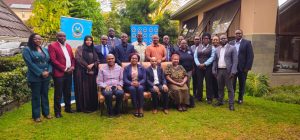

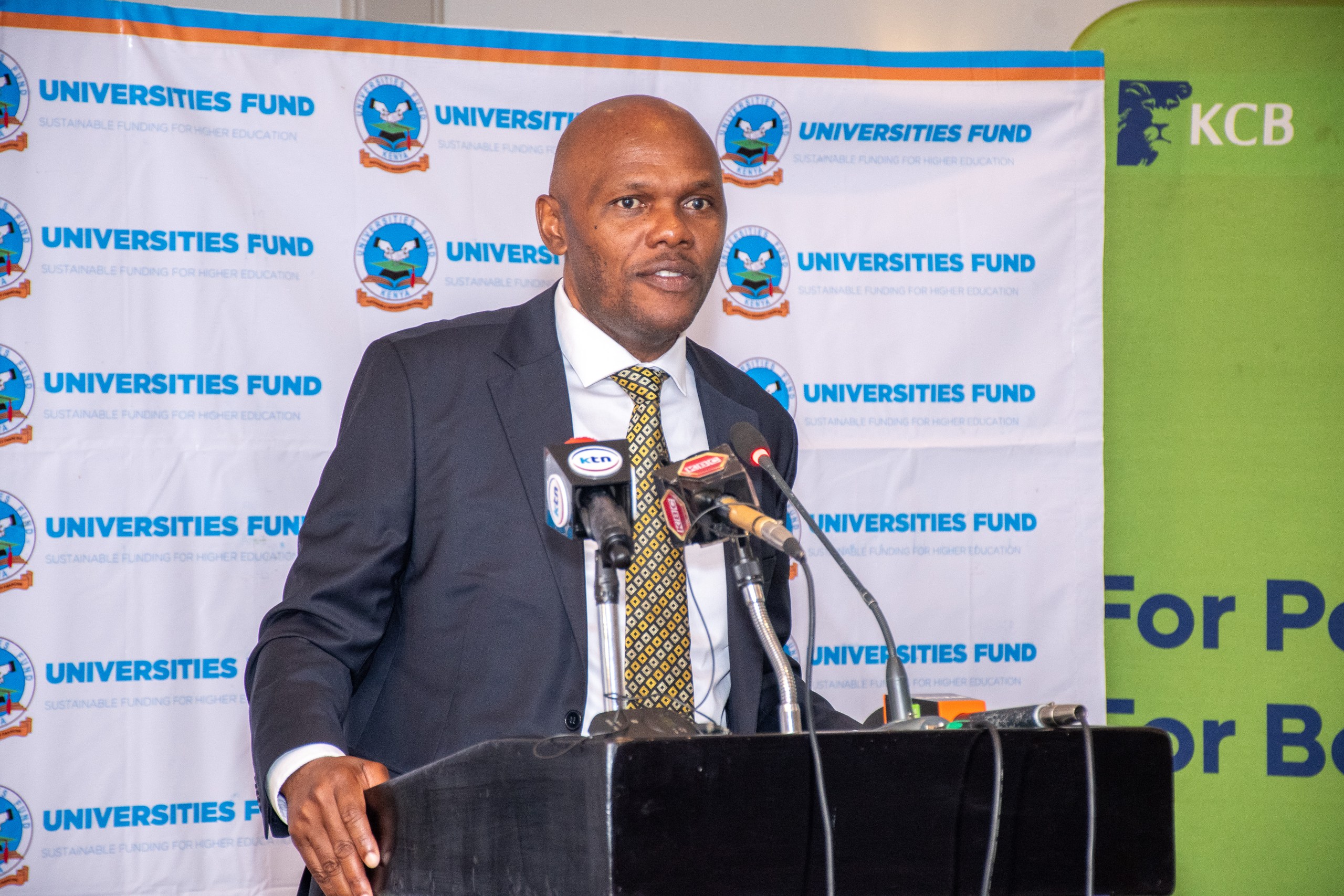
The Universities Fund convened corporate foundations, scholarship providers and development partners on 28 October to explore how stronger coordination can expand access to higher education financing for Kenyan students.
Themed “Reaching More Students, Together,” the meeting examined challenges arising from fragmented scholarship and bursary programmes offered by government, NG-CDF, county governments, corporate foundations, NGOs and private sponsors. Limited visibility across providers results in overlapping awards and make it harder to identify students whose needs remain unmet.
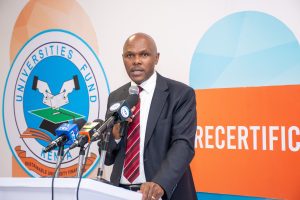
“Government, communities and partners are already investing in students’ education. By improving coordination and understanding where support is reaching students, we can direct more resources to those who still need help,” said Dr Edwin Wanyonyi, Acting Chief Executive Officer of the Universities Fund.
Participants called for the development of a shared, secure and interoperable data system to improve visibility of student support, identify funding gaps and strengthen coordination among providers. Leveraging the Universities Fund’s role as custodian of student funding data, the proposed system would incorporate robust safeguards in compliance with the Data Protection Act, 2019.
Discussions also focused on joint student sensitisation, resource mobilisation and strategic partnerships to expand scholarship coverage and ensure support reaches students, regions and programmes with the greatest need.
The meeting comes amid growing demand for student funding. The Universities Fund projects approximately 608,879 scholarship beneficiaries in FY 2026/27. To date, KSh 7.5 billion has been disbursed to universities for continuing and newly admitted students. The total scholarship requirement stands at KSh 47 billion against an allocation of KSh 30.1 billion, leaving a funding gap of KSh 16.9 billion.
“Every Kenyan student who qualifies for university deserves the opportunity to pursue higher education. By working together and improving coordination among scholarship providers, we can ensure that available resources reach more students and have a greater impact,” said Dr Wanyonyi.
Representatives from KCB Foundation, Safaricom Foundation, M-PESA Foundation, Absa Foundation, Strathmore Foundation, Palm House Foundation, Co-operative Bank Foundation, Kenya Power Foundation, Family Group Foundation, Tuendelee Foundation, Kenya Education Fund, Education for All Children, the French Embassy, the British High Commission, the European Union, the Council of Governors and the Italian Embassy participated in the discussions.
The outcomes of the meeting will inform a framework for ongoing collaboration among scholarship providers and strengthen efforts to expand equitable access to higher education financing.
WHAT THE STAKEHOLDERS SAID
Council of Governors
Bursaries and scholarships are social protection measures. And basic education is a right. Governors are protecting a vulnerable household, not funding education. Counties will not move away from Article 174 of the Constitution and social protection measures. Partial scholarships can be provided. We invite all organisations seeking to partner with counties; the COG will convene and support organisations trying to reach governors. What is the government’s policy position on the fragmented financing structure? Let us put the discussion on the right desks. Many programmes are still stuck on the old model.
Education Hungary
Is there a possibility of counties covering 10 percent of tuition costs for students on partial scholarships? You find that frontier counties, those outside Nairobi and Mombasa, are not aware of scholarship opportunities. Can we work together to ensure information on fully funded scholarships reaches marginalized regions, too?
Embassy of Ireland, Kenya
We use eligibility criteria to onboard a student. The database will help us verify. Some institutions do not use English as a first choice, so some miss out. Have MOUs with such countries so that interested candidates can enjoy the opportunities by learning the required language. Have back-office support that reduces the number of administrative duplications.
Absa Bank Kenya PLC
We are not running any scholarship programme. We are working to avoid double funding. How do we avoid funding one region or household more? Data sharing and reporting mechanisms are crucial.